THE GREAT OUTDOORS WITH STEVE SCALA

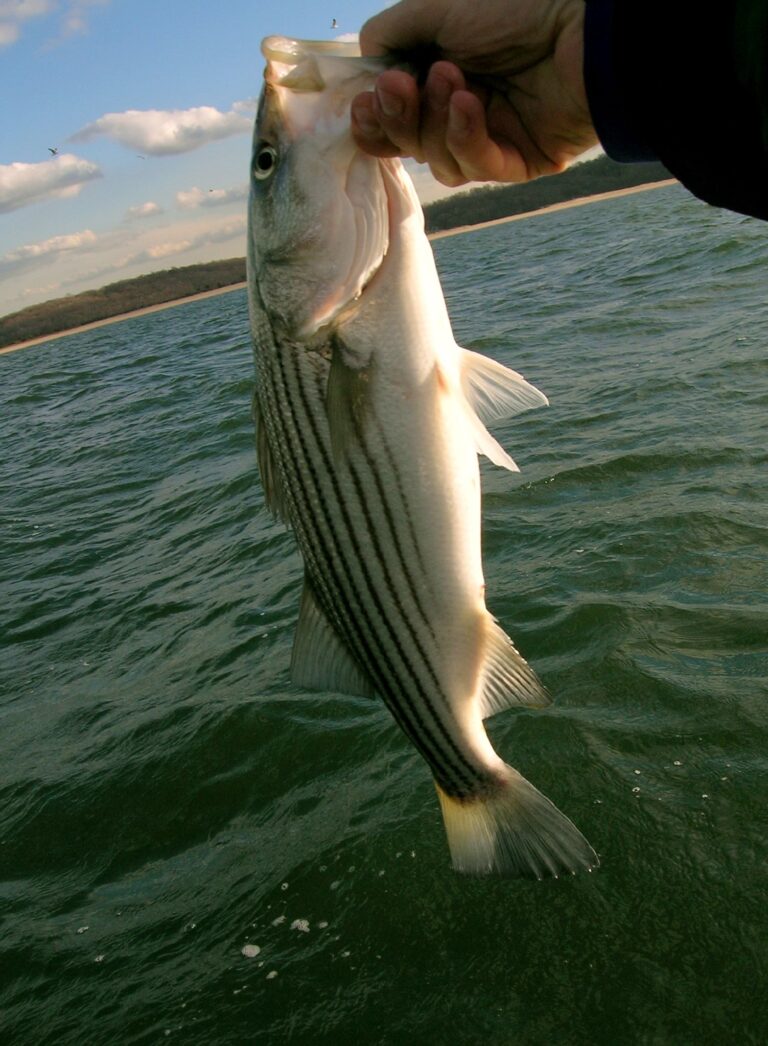
Many anglers across the Northern Neck and Eastern Virginia continue to focus on the where, when, and how of both yellow and white perch. But they have another option to consider for the end of winter hook and line fishing.
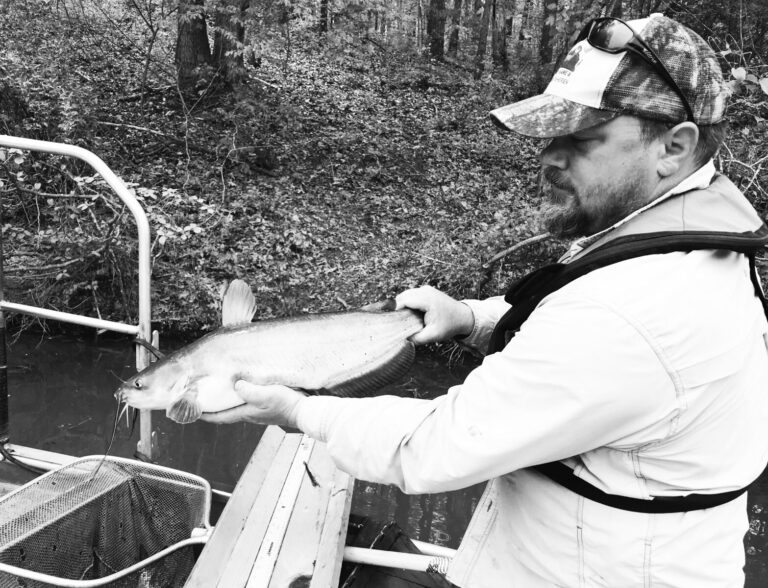
Blue catfish are beginning to move out of their deep water wintertime channel haunts and into shallower shoreside waters to feed and also prepare for their spring spawning. These voracious feeders come in a wide range of sizes, including some that weigh more than 40 pounds. The smaller blue cats that weigh in at 5 pounds or less are popular for eating and, like the blue catfish of the Mississippi Delta, are considered a culinary delight.
For those fishing the tidal tributaries of Virginia’s eastern rivers like the Rappahannock, Pamunkey, Mattaponi, and York, this is a time of year when accessing a tidal creek or riverside locale may entice you to come prepared with separate rigs for both perch and catfish.
While the larger tidal tributaries like the Rappahannock and James have a well known reputation for blue catfish, do not write off our local tidal tributaries and their upstream backwaters. Fisheries managers say that blue catfish can be anywhere in Virginia where there is tidal flow.
Water Temperature Movement
During the colder winter months, tidal river blue catfish spend much of their time in deeper channel waters. Their movement and feeding habits are semi dormant, but as water temperatures begin to rise into the mid 40s, blue catfish begin gravitating into dropoff, channel edge waters and eventually the inshore shallows. Water temperatures closer to the shoreline will gain further warmth from daytime sunshine and help to encourage catfish appetites.
Inshore Foraging
Along with the catfish that move into shallower waters are other species of fish that include some they forage on. Sunfish, white perch, and other species small enough for large blue catfish to swallow whole respond to rising water temperatures and the response encourages movements to the inshore shallows. Also occurring at this time of year are the migrations of herring and mud shad, both of which are favored food sources for large predator blue catfish.
Similar Underwater Habitats
As blue catfish begin moving out of the deeper channel waters, they will look for bottom cover that supports a forage food chain. Bottom contours along sloping drop offs can collect natural debris like tree limbs and sometimes even whole trees. Currents and freshet floodwater flows can push them into river bottom areas where they collect with other bottom structure like rocks, boulders, or gravel bottom.
In addition to potential brackish tidal marine growth, fish that include sunfish, white perch, herring, and mud shad may also gather there. This creates a food chain for foraging blue catfish, especially further down the tidal tributaries, where blue crabs can also be part of their food sources.
Bait and Tackle for Boat or Shore
The favored bait for early spring blue catfish is mud shad. Large slabs of this wide body baitfish can be cut to include both the backbone and belly strip.
Large hooks that can be buried within the chunks of bait should have enough leader on them to allow larger, more finicky feeding blue cats to mouth the bait before the hook is set. Long hook leaders should also be used for any live bait like whole white perch or sunfish.
The outside edges of drop offs where bottom structure is located may need 4–6 ounces of weight to hold bottom. For those fishing from the shore, hooks baited with herring or mud shad may be the best option to cast with.
Sometimes blue cats will move into waters as shallow as 3 to 5 feet. This can include shoreline areas that have downed trees that reach out into the shallows, creating habitat for small fish. Fishing a bobber with either a live bait or mud shad chunk and no added weight can put an angler within reach of shallow water catfish.