King George approve increase of meals tax

With three King George supervisors voting in favor, the county’s meals tax will rise to 6%.

Currently, King George’s rate is 4%. Regina Puckett, King George Commissioner of the Revenue, said Caroline’s rate is 4%, Westmoreland’s is 5%, and Caroline and Spotsylvania are at 6%.

According to Puckett, real estate tax affects all residents. Since a home is a necessity, increasing real estate tax impacts all property owners.

With personal property tax, residents can choose the vehicle they purchase and its cost. With meals tax, residents can choose whether to eat out. “So that doesn’t affect all residents,” she said.

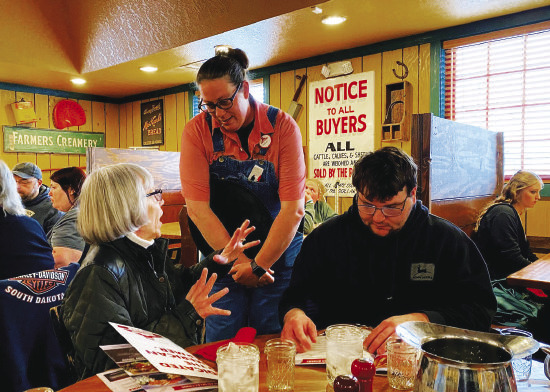
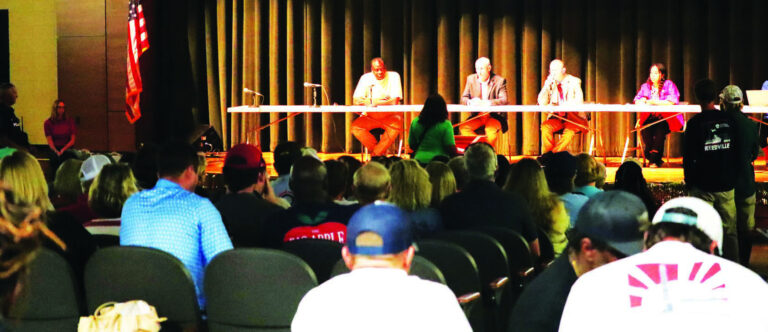
“So, a question is, will this affect small business owners in a negative manner?” Puckett said during a presentation to the Board of Supervisors. “And the answer is no. This change does not affect the business owner’s daily business operations.”

Supervisor Davis disagreed. He said some surrounding localities, such as Tappahannock, relieve new businesses of meals tax for up to the first five years to allow them “to get their feet under them.” When starting out and trying to figure out what things will cost and how to run a business, “sometimes meal taxes hurt people,” he said.

He added that in King George, if a business has only been open a month and is late on the meals tax payment, the county is ready to charge late fees. “I think it’s just ridiculous, being totally honest with you, that we’re not doing more to support them and help them get going.”

Davis said he wanted the county to explore relieving small businesses of meals tax when they’re getting started.

Chairman David Sullins agreed, saying he likes the concept. He pointed out that data centers are coming in and receive massive discounts. “Above all, they don’t need it compared to the small businesses.”

Supervisor Cathy Binder noted that meals tax affects individuals as well. She has argued against raising meals tax on the grounds that King George raises other taxes to avoid raising real estate tax.

Binder said she knows some board members are looking at the money the county will get from people passing through but a hike in meals tax does hurt some residents. For some, eating out might be their only choice. A reason why is that they’re working two jobs, she told fellow board members.

“Some people call it a regressive tax. And I know there are some Northern Virginia localities that are actually eliminating their meal tax,” she said.

Supervisor Ken Stroud is one of those focused on the people passing through.

“It’s a tax on people that don’t live here,”he said. “Yeah, it impacts the people that live here, but whenever people that live here—and there’s a lot of them—go into Fredericksburg and you go to Central Park or wherever and you eat or you do something, you’re paying their taxes. But whenever we have over 60% of the people that work on base that do not live in King George that come here, they get a discount on the taxes.”

Stroud said the meals tax increase allows King George to take advantage of the people that are passing through, going to and from Maryland, driving Rt. 301, and people that work in the county but don’t live here.“It increases our revenue from those people that we would otherwise be losing out on.”

Supervisor Bryan Metts said he originally didn’t support the increase but began looking at data, such as 8,000 trips a day across the bridge on summer weekends. Tourism is increasing, and a meals tax hike allows the county to capitalize

Photo: Joe Haupt

on that. He said it’ll be a small change, about a million‑dollar impact to the total budget, but it’s something.

The vote passed with Binder voting no and Davis abstaining on the grounds that he owns a restaurant in the county.

Other Suggested Changes “If we do do this, I would also like to look at the hotel tax also. If we’re going to do one and try to capitalize on out‑of‑towners, we need to look at the hotel and lodging,” said Binder.

County Administrator Matt Smolnick is calling to eliminate the seller’s discount, which allows a business to keep 3% of the meals tax for paying on time.

“There’s no 3% discount for residents for the personal property tax. There’s no 3% for paying on time for your real estate tax. So, you know, why?, “said Smolnick. “My recommendation is to remove this. You know, we’re having our citizens essentially subsidize businesses–many of the big heavy hitters who are collecting this tax but don’t live here.”

FY27 projections estimate nearly $2.8 million in meals tax collection. Three percent of that is nearly $81,000, said Smolnick, but since not all vendors pay on time, he estimates eliminating the seller’s discount would bring in an additional $75,000.

Doing so would require a public hearing and action by the board.