Yellow Ned time coming soon

Early spring anglers often get their lines wet for the first time while looking for signs of yellow perch. Also known as “yellow Neds” or “ring perch,” these colorful fish are definitely harbingers of spring in many of Eastern Virginia’s tidal rivers. The only earlier competition the Neds have are chain pickerel, who seem to have no problem with even near-freezing water temperatures.

While chain pickerel are often the finned alpha predator in the backwaters of upper tidal estuaries, they may be joined by any snakeheads that share these waters. These two species may be the only fish that stir early in the upper tidal reaches and backwaters of Eastern Virginia’s rivers until the spring run of yellow perch arrives. Anglers who have taken up their shoreside locales with fishing tackle for skinny-water bait fishing are a sure sign that the Yellow Ned run is either imminent or underway.

Cold Water Gold

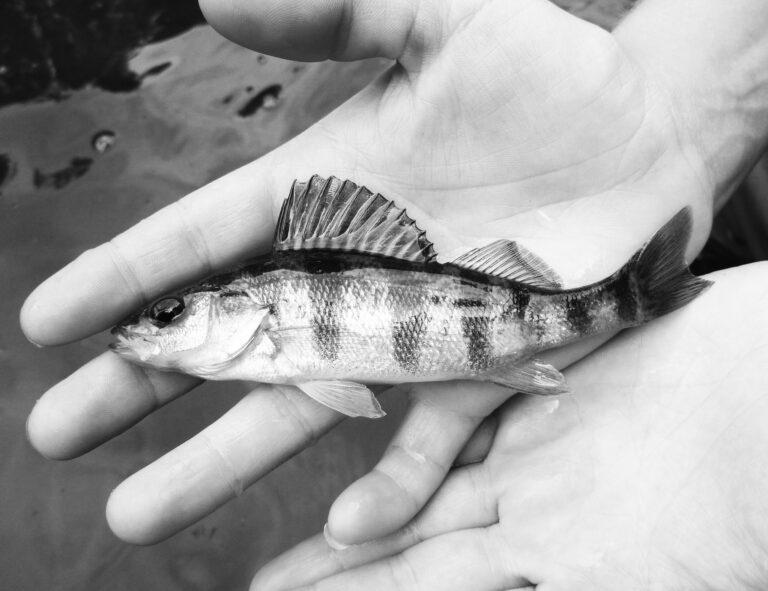
Yellow perch have attractive colors, and during the cold waters of March in Virginia’s upper tidal tributaries they can appear almost iridescent. Their sides are a golden yellow color that blends into black olive along their finned back. Vertical bars that appear dark green to olive run across their yellow sides. This part of their coloring may be what has led to the nickname “ring perch.” The lower body colors of yellow perch can appear orange, especially during the spawning season in the month of March.

An average-size yellow perch is from 6–8 inches, and larger ones can exceed 15 inches in length. The largest yellow perch caught in Virginia was taken in March of 2010 and weighed 3 pounds. Yellow Neds who survive to adulthood can live for a dozen years.

Habitat and Location

Prior to their early spring spawn, yellow perch often prefer the deeper waters that include structure and refuge from strong flowing currents in Virginia’s eastern upstream tidal rivers. There have been efforts to expand the location of yellow perch by establishing their presence within non-tidal systems, including lakes and impoundments.

Submerged bottom structure may be sought-after habitat because it includes both a food chain and things like sand or gravel bottoms and rock formations. Tree limbs gather due to water flows pushing them into locations that provide protection from strong currents.

In late winter–early spring, as water temperatures begin to rise into the upper 30s, yellow perch begin their annual spawning journey that takes them into the far upstream reaches of the waterways they live in. Many of these upstream tidal reaches that they travel to are narrow creeks which, at low tide, may only be a few feet deep. The Big Spawn

The yellow perch spawn can begin as early as January but is more likely to take place in March. Their schools stage and gather together in the channel waters of upstream tidal tributaries and begin traveling upriver all the way to the fall line headwaters and into the smaller inland tributary creeks.

As they do in the rest of their life cycle, yellow perch prefer submerged structure during this time in shallow upstream waters. Strings of adhesive eggs are released by the females, and after the male fish fertilize the eggs, their incubation is completed within two weeks.

Food Sources & Angling Tactics

As juveniles, yellow perch feed on small invertebrates and zooplankton. Later in adulthood, their diet includes grass shrimp and other crustaceans and begins to include larger sea creatures in the food chain, like minnows.

Minnows and grass shrimp are among the best baits to use when fishing for yellow perch in the early spring. Small bright-colored jigs in ¼- and ½-ounce sizes are used with minnows or grass shrimp.

Bobbers are often utilized, especially in waters less than 6 feet deep. If there is room to work artificials, small Mepps spinners can be cast downstream and worked back against the current.