Coyotes at home in the Northern Neck

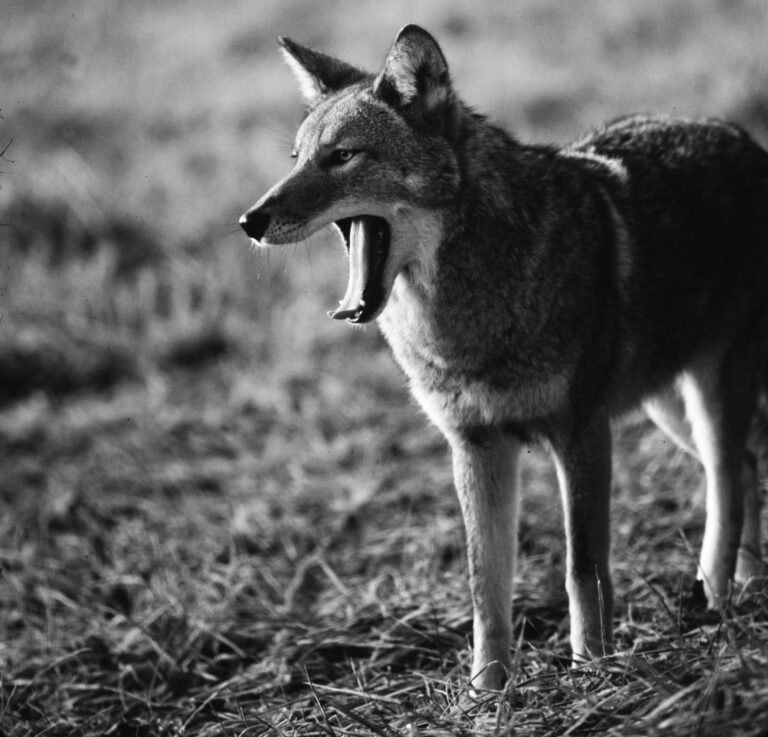
It has been more than 30 years since coyotes first arrived in Virginia, and now they are located in every county of the Commonwealth.

The first coyote sightings during the early 1990s were reported in the southwestern counties of Bland and Washington and also farther north in Rockingham. One of the early coyote stories that was shared with me during that time was from someone in Highland County, which is a very mountainous area in northwest Virginia. These areas of Virginia shared a common thread when it comes to being geographically isolated, rural, and on the western side of the state. The first sightings of what were later identified as Eastern coyotes occurred as they moved into the Commonwealth via a westward trek.

Virginia’s diverse landscape, which includes a significant group of mountain ranges and numerous wide-flowing rivers, has done little to slow coyote migration. In fact, coyotes have even been seen in the Eastern Shore counties of Accomack and Northampton.

This cunning and resourceful creature has proven itself adaptable to any kind of habitat and able to survive on a wide variety of food sources. Those who spend enough time in or near the forests of the lower Northern Neck are likely to have their own personal coyote sighting to share.

An Adaptable Creature

The Eastern coyote is no cartoon character. They are resourceful, alert, prolific, and able to determine where and when to adapt to a diverse range of habitats. Their ability to maximize the efficient use of food, water, and cover enables them to move in and become an alpha predator.

Coyotes often remain reclusive and sometimes limit their activities to late evening and nighttime as they assess and get used to a new area. Once they perceive a measure of safety and predator dominance in a new area, they may be seen moving or stalking game during daylight hours.

Wildlife biologists consider coyotes omnivores; thus, they are able to survive on a wide variety of food sources, which even include fruits, vegetables, pet food, and human food scraps.

Habitat Adjustable

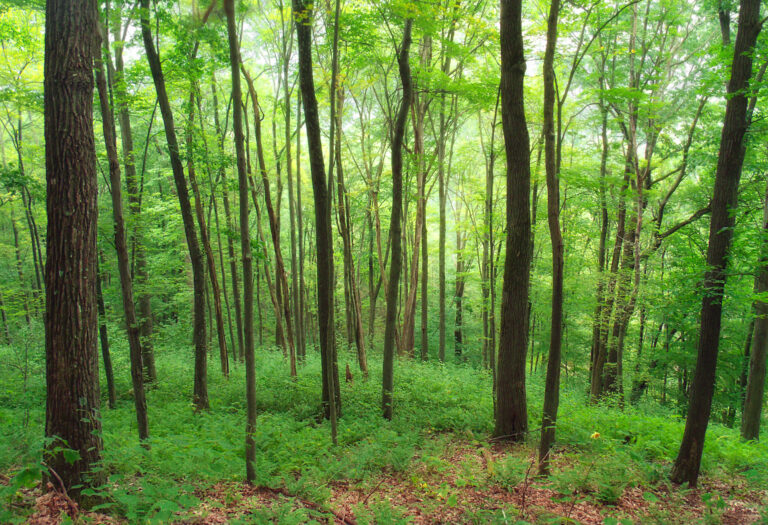
It is reasonable to assume that coyotes prefer a more reclusive habitat, such as forests that may also include bedding areas. A combination of healthy forests, successional growth, and field edges often includes a food chain that supports small game like rabbits, rodents, groundhogs, moles, voles, insects, and deer fawns.

When coyotes select a habitat area that also includes their food sources, the only other thing needed is a water source. These hardy creatures are used to traveling distances either routinely or as needed. While having water, food, and bedding areas all in the same locale is preferable, coyotes can pick a strategic travel time to get what is needed.

Risk of Human Contact

Thankfully, the coyotes in the lower Northern Neck have, for the most part, avoided human contact. Some of the personal accounts of coyote sightings, including a few of my own, indicate that these regional alpha predators can lose some of their fear of human contact. There have been some unfortunate experiences that involve pets being attacked or stalked by coyotes, but so far in the lower Northern Neck, these incidents have not been numerous.

The habitat adaptability of coyotes means that, if they choose to, they can establish a presence near humans and their homes. This is more likely to occur in areas where homes are in or near forests or successional timber growth areas, which provide habitat for coyotes and their food sources.

How to Remove the Attraction

It’s not a good sign when coyotes appear to be less fearful of people. Among the more likely causes of coyotes coming closer to areas where people live is the availability of food sources. Since they will eat almost anything, unsecured garbage, compost piles that contain fruits or vegetables, birdseed on the ground, and pet food can attract nearby coyotes.

Be thoughtful about where and how you keep your pets outdoors. Coyotes may consider them a food source. Check your outbuildings for areas that coyotes could use for making their dens or as an ambush site for domestic pets or wildlife. Consider using lattice or other materials to deny them access to under-building areas.