THE GREAT OUTDOORS WITH STEVE SCALA Maryland striped bass opener and more turkey time
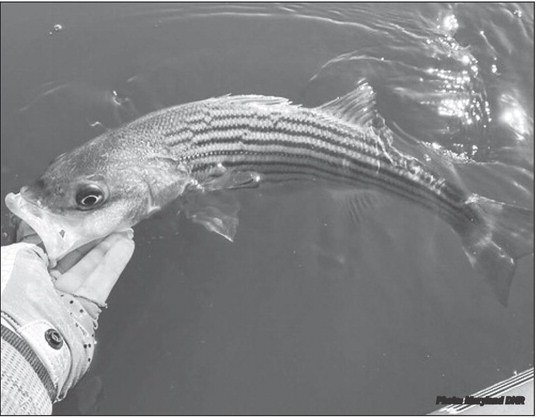
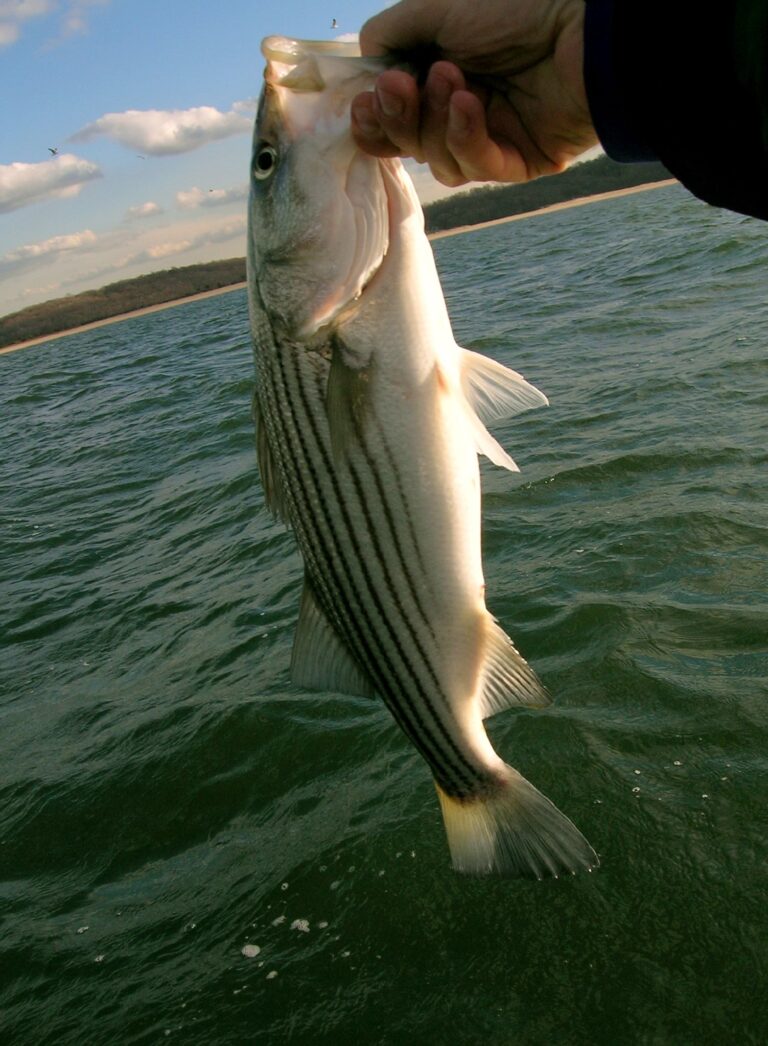
Northumberland County anglers are looking forward to the striped bass fishing opportunities in nearby Maryland Chesapeake Bay waters that begin this Friday, May 1. Anglers will be able to keep one striped bass per day measuring 19–24 inches. Regulations for the 2026 recreational striped bass seasons in Maryland Chesapeake and tributary waters can be found at https://www.eregulations.com/maryland/fishing/ striped-bass.
The Potomac River Fisheries Commission (PRFC) recreational striped bass season and the Virginia Marine Resources Commission (VMRC) recreational striped bass seasons remain closed until May 16.
Those who have recently taken part in Maryland’s striped bass catch-and-release fishery may have enjoyed hooking up with some large brood-class stripers. It is possible that anglers fishing for striped bass over the next few weeks may also catch some large post-spawn striped bass.
Even after May 1, any striped bass measuring longer than 24 inches in Maryland Chesapeake Bay waters must be returned, so be ready to return these fish quickly and gently to the water. Maryland’s DNR Fisheries offers some guidance on how to best release striped bass when they are caught at their website: https://dnr.maryland.gov/fisheries/pages/catch-andrelease. aspx.
Local Food and Forage
Most of the striped bass in the Southern Maryland and lower Eastern Shore Chesapeake Bay waters that are near Northern Neck ports will be among two size groups. Some will be the larger post-spawners who are leaving the upper reaches of the bay’s tributaries and heading south to the coastal reaches outside of the Chesapeake. These fish feed on the move, and their forage of choice is menhaden (aka bunkers).
Coming the other way is a year class of stripers that fisheries managers hope will fit into the possession limit slot size for the 2026 season at 19–24 inches. This class of fish also pursues menhaden as one of their favored forage fishes, though their different size may allow them to be satisfied with smaller “peanut” bunkers.
Striper Trolling Tactics
It’s been a long-standing tactic to troll lures in the upper water column during the spring striped bass season. Any remaining post-spawn stripers heading down the bay usually favor the upper water column of channel-depth waters. If you want to avoid hook-ups with larger fish over 24 inches that you may have to release, working the channel depths with trolling gear is not what you want to do. Trolling a spread of lures outside of the shipping channels while following the edges and bottom slopes that lead into shallower waters is a possible strategy for stripers in the 19–24 inch range.
Find and Follow the Bunkers
What can change or sometimes support striper trolling options is finding out where the menhaden schools are located. As the bunkers show up and establish their patterns of movement, that area becomes the best place to troll for striped bass. Determining the direction of travel taken by menhaden schools as they move through Chesapeake Bay can be beneficial. You can then troll just outside and parallel to moving schools of bunker to have a lure presentation for striped bass that are pursuing moving bunker schools.
Getting Striper Attention
Bucktails in 3- to 6-ounce weights rigged with 4- or 6-inch sassy shads are among the best lures to troll for striped bass. Bright colors like chartreuse and white are popular colors, especially with lures trolling at mid-depths.
Lures that weigh 6 ounces or more can be trolled on flat lines outboard of the boat’s wake with no weight added. Adding weight to other lines should be considered so that any fish seen in the lower water columns helps spread the baits at levels where striped bass may be traveling or pursuing bunkers for forage.
More Turkey Time
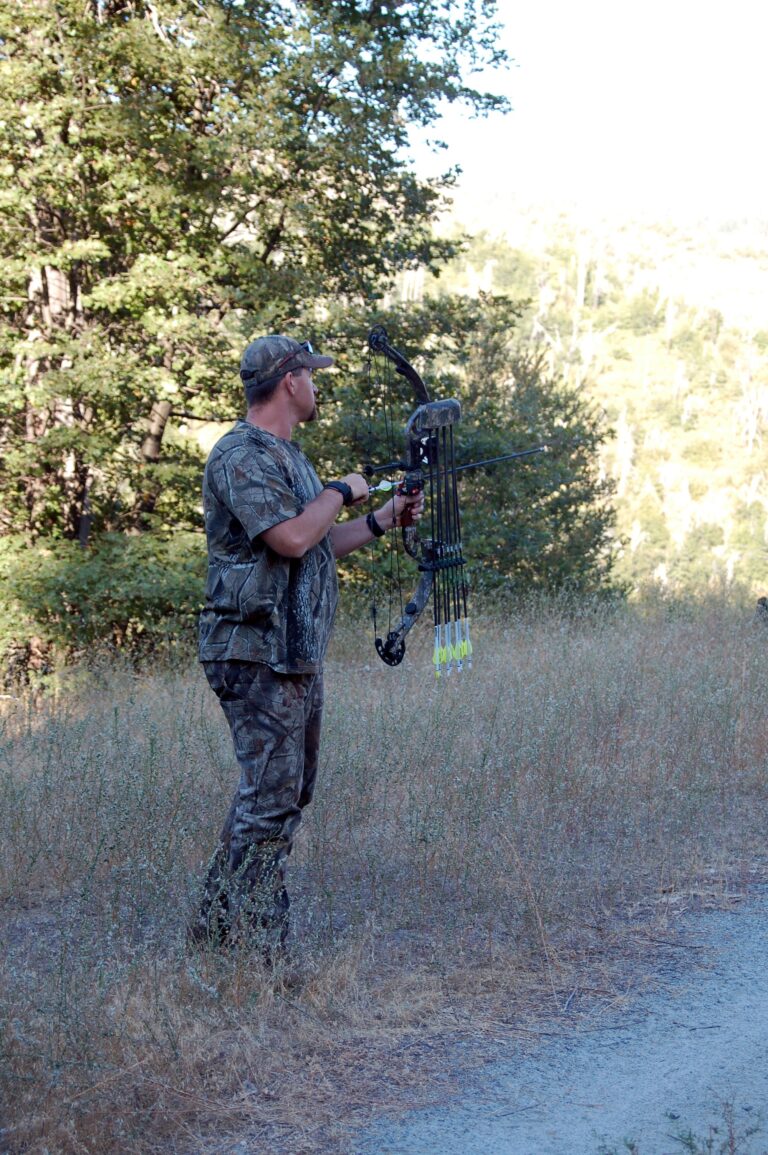
Virginia turkey hunters now have the opportunity to hunt gobblers all day. All-day hunting for bearded wild turkeys began on April 27 and continues through May 16. More information about the 2026 Spring Gobbler Season can be found at https://dwr.virginia.gov/hunting/regulations/turkey/#spring.
Fire Risk Continues
While hunting or afield in the woods, please remain alert and cautious when it comes to the risk of wildfires. As the severe drought conditions continue in our area, it does not take much to ignite our dry woodlands, the parched woody debris, and understory growth. Virginia’s Department of Forestry (DOF) has information about the regional status of fire risks and how to prevent them at their website: https://dof.virginia. gov/wildland-prescribed-fire/fire-danger/fire-weather/.