Northumberland approves Real Estate Tax increase for FY 27
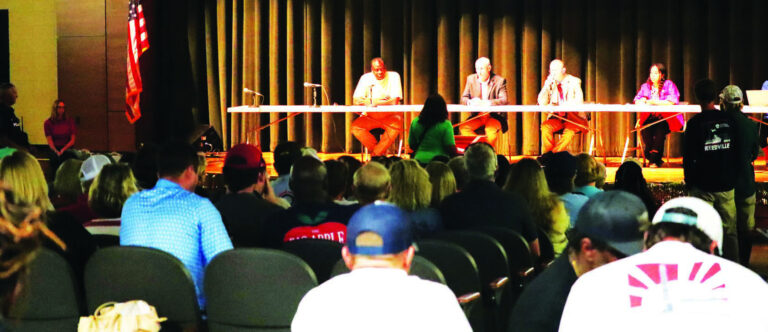
With a unanimous vote, Northumberland Supervisors approved an FY 27 budget that increased nearly $2.7 million year over year to $48,796,856 budget and a 4-cent real state tax increase.
On Tuesday, after county administrator Luttrell Tadlock brought another round of cuts to the table-$562,000 worth—the supervisors discussed a $.54 real estate tax rate. Tadlock said that represented an increase of approximately 14% and would allow the county to establish reserves equaling 20% of the budget as advised by Davenport, the county’s financial advisor.
“My thoughts are, this county can’t handle a 54 cent tax rate right now…after what they had last year. So, we definitely got to look at a lower number and work our way to a goal of what Davenport wants” said Supervisor Keith Harris. He proposed looking at the 51-cent rate, which Tadlock said amounted to an increase of approximately 8%.
Chairman James Brann said the biggest thing the board had to decide was whether they wanted to rebuild reserves all at once in the upcoming fiscal year or do it over a couple years.
Although he wasn’t ready to vote that evening, he didn’t expect any more substantial reductions t from trying to trim various budget. “I think the only way you’re going to reduce this budget, to get it where some people will be happy, you’re going to have to cut services. And who’s going to pick and choose what services need to be cut?” he asked.
Supervisor A.C. Fisher agreed. “I’d a whole lot rather take the grief from the higher taxes than cutting the services…if you look at the good of the people.”
On Thursday, the board returned, and with no further discussion, voted to set the rate at $.51, four cents more than the equalized rate of $.47 but less than the “worst scenario” rate advertised at $.57.
The newly adopted rate will be in effect for the real estate taxes billed in the fall.
No other tax rates were changed for FY 27, but the board unanimously approved reducing personal property tax relief under the state’s Personal Property Tax Relief Act (PPTRA) from 40% to 38%, a move that also shifts more of the tax bill for vehicles to owners this fall by reducing the amount of the tax relief provided.