Rappahannock Tribe Receives Governor’s Gold Environmental Excellence Award
The Rappahannock Tribe is one of seven gold medal recipients of the 2026 Governor’s Environmental Excellence Awards.

The awards recognize significant contributions by environmental and conservation leaders in sustainability, land stewardship, environmental projects, greening of government, and implementation of the Virginia Outdoors Plan. The Rappahannock Tribe was honored for its Return to the River Restoration Initiative.

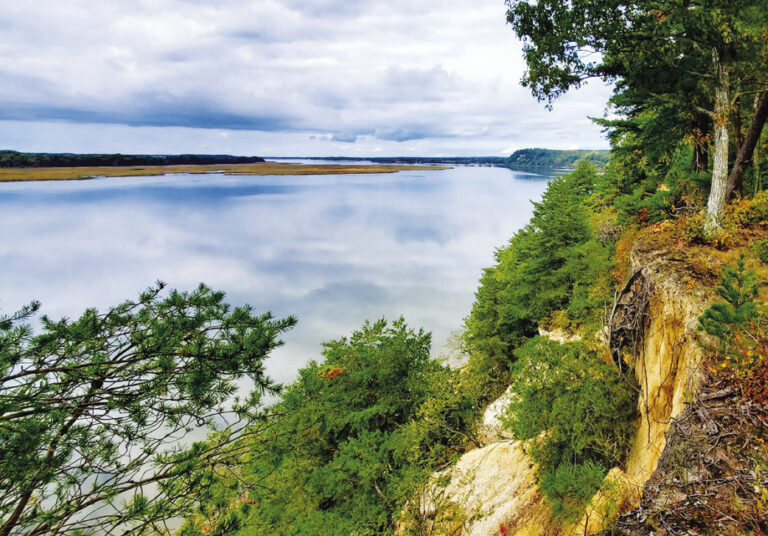
The Tribe has deep cultural ties to the Rappahannock River, but for hundreds of years had largely lost access to much of its ancestral land. In recent years, the Tribe has reclaimed 964 acres along the river at Fones Cliffs in Richmond County, now part of a 2,454 acre contiguous conservation corridor.

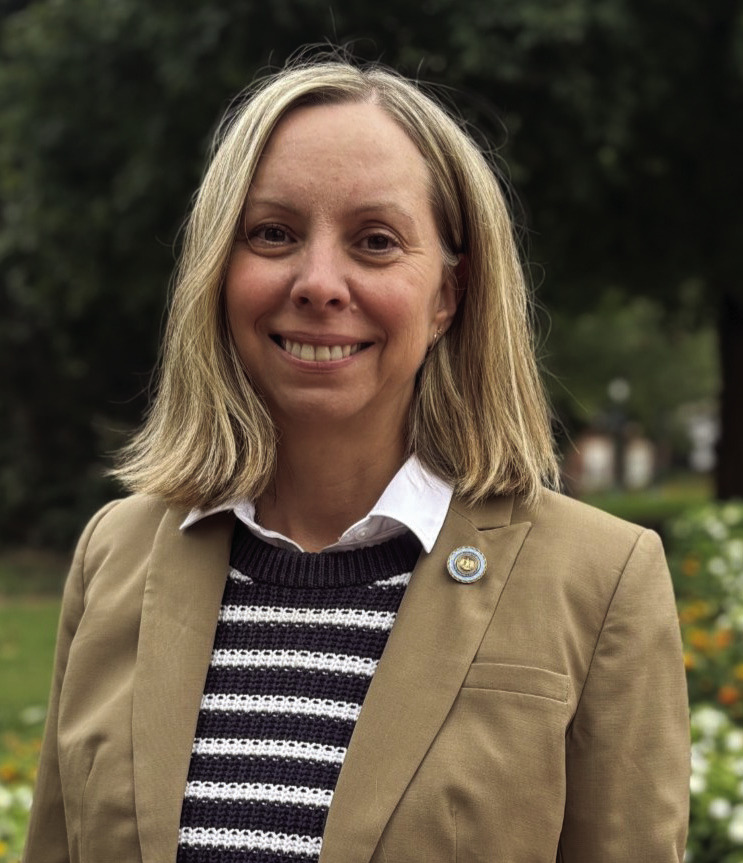
Chief Anne Richardson said the idea for Return to the River emerged after the assistant chief returned from a youth camping trip on the river.

“I thought, oh my God. The river culture is two generations gone. And if we don’t do something to capture that, it’ll be lost forever to our Tribe,” she said. The Tribe initially designed a program focused on reconnecting youth with their river heritage—but the effort quickly grew beyond that.

Richardson said the initiative soon drew the attention of the National Park Service, which expressed interest in partnering on an Indigenous cultural landscape project to help the Tribe map its traditional river landscape.

The 2026 Environmental Excellence Award recognized the project for reconnecting Tribal citizens with the river and their traditions, as well as for its land conservation and ecosystem restoration work.

The Tribe was honored for ongoing restoration efforts, including maintaining a 96% forest canopy, establishing riparian buffers, and replanting a previously cleared two acre plot to expand forested areas. Less than 0.5% of the land will remain impervious, ensuring minimal ecological disruption.

The Return to the River program has included multi day youth experiences featuring cultural activities such as bone tool making, canoe building, and working with natural fibers, along with ecological studies that involve plant identification, salinity testing, and tracking fish migration patterns.

This year’s award also recognized the Tribe for using the land to educate youth about Rappahannock culture and the Tribe’s spiritual relationship with the river. According to Richardson, that mission extends beyond Tribal citizens.

“We believe we have a traditional culture that takes into consideration all things and that preserves our natural resources and uses them responsibly so that they’re not destroyed or depleted. And we would like to be able to teach that to other children who are not Native, who may never learn anything like that in our culture of America today,” she said in a video about the Return to the River program.