VDH partially lifted the Potomac River advisory

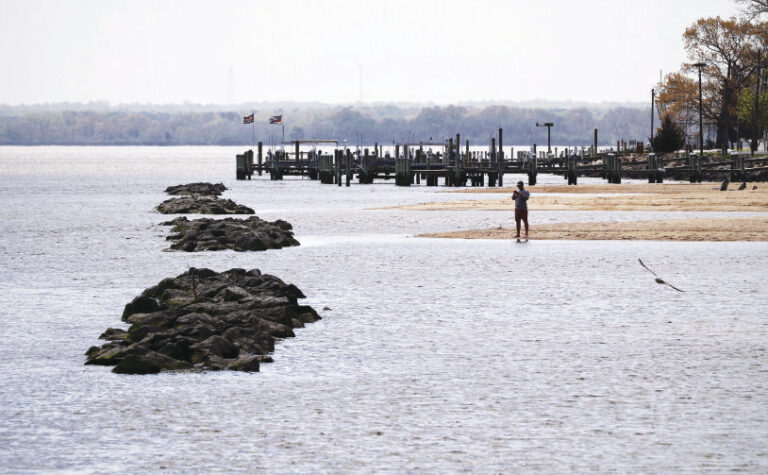
On March 5, the Virginia Department of Health partially lifted a recreational water advisory that had been in place since Feb. 13 after the failure of the Potomac Interceptor sewer line. The advisory is now lifted for the section of the Potomac River stretching from Chain Bridge downstream to the Nice Memorial Bridge between King George and Maryland.
A smaller portion of the river remains under advisory between the American Legion Bridge and Chain Bridge while additional monitoring continues.
Ongoing Monitoring
The advisory was issued following the Jan. 19 collapse of part of the 54-mile Potomac Interceptor, which resulted in a large discharge of untreated sewage into the river upstream. In response, the Virginia Department of Environmental Quality launched a special water-quality monitoring initiative to track bacteria levels along roughly 49 miles of Virginia shoreline. Sampling has also included several embayments along the river and a handful of sites along the Maryland shoreline.
DEQ reported conducting an initial round of testing Feb. 17 at 25 locations from Chain Bridge to the mouth of Potomac Creek. Additional monitoring followed later in the month, including sampling in nine shoreline embayments and “transect” testing that measured water quality at multiple points across the width of the river, the department said.
Further rounds of sampling are planned as conditions allow, with a round of testing scheduled for March 9.
Shellfish Waters Near Colonial Beach State health officials say recent testing also shows no unusual bacterial contamination in shellfish harvesting areas farther downriver. On Feb. 17, staff with the Virginia Department of Health collected 36 seawater samples from shellfish growing areas between Colonial Beach and the Route 301 bridge in King George.
Laboratory analysis reportedly found no elevated levels of fecal coliform bacteria, with most samples at or below the laboratory detection limit. Estimates indicate that sediment and nutrient pollution from the spill amounts to less than half of one percent of the total annual loading to the Potomac River in 2025.
No Warning Signs
Meanwhile, DC Water, the utility responsible for the sewer line, said inspections before the collapse did not indicate an imminent structural failure. In a report released March 5, DC Water said four inspections conducted over the past seven years found signs of typical aging in the pipe but no evidence suggesting it was at risk of immediate collapse. The section had already been scheduled for rehabilitation later this year.
“This was an unprecedented event,” said DC Water CEO David L. Gadis. “After evaluating our inspection reports and ratings, we do not believe there was any reason to change the timing for our planned rehabilitation.”
Emergency repairs are underway on the damaged section of the interceptor. Last week, DC Water reported crews had nearly completed reinforcing the upstream portion of the pipe with a geopolymer lining designed to restore structural integrity, with work expected to move to the downstream section next.
DC Water said it is coordinating environmental cleanup and restoration efforts with agencies including the U.S. Army Corps of Engineers, the U.S. Environmental Protection Agency, the National Park Service, and the Maryland Department of the Environment.
Monitoring of water quality is expected to continue as repairs progress and agencies track conditions along the river.