VMRC approved $2.6 Million for Little Wicomico dredging

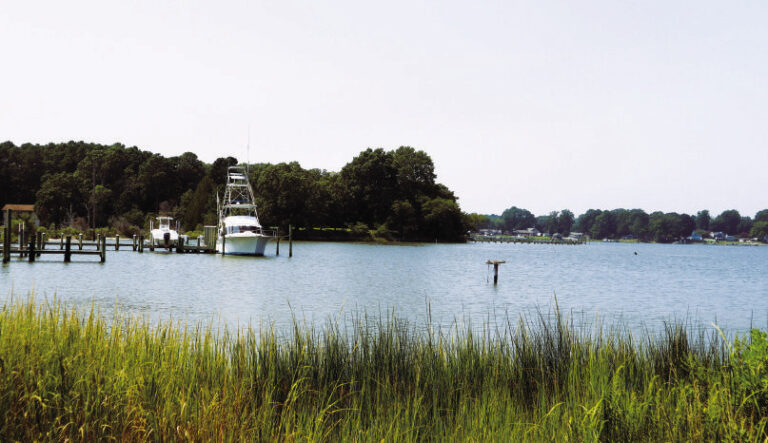
Virginia Marine Resources Commission approved $2.6 million for the Little Wicomico dredging project, work last done over a decade ago by the Army Corps of Engineers. But conditions have now reached a critical point, local stakeholders testified.
The Need is Real Jerry Davis, executive director of the Northern Neck Planning District Commission, told the Commission that the NNPDC partnered with Northumberland County to apply for federal funds, but federal funding for dredging “just isn’t there anymore.”
“Not to be overdramatic, but there is a potential loss of life involved,” Davis said. He explained that Smith Point Sea Rescue hasn’t been able to get out, and when vessels need to be rescued and rescuers can’t reach them, “that’s a serious situation.”
Without intervention, the continued shoaling and permanent breach of the jetty wall will lead to total closure of the river for navigation. Davis also pointed to the risk of economic collapse, noting that marinas, watermen, oyster growers, and seafood processors depend on the channel being accessible.
Bill Turville, a captain of Smith Point Sea Rescue and a retired Navy captain, said they view the Little Wicomico as already closed for them and emphasized that it’s indeed a safety issue.
Turville explained that they support the Lancaster, Northumberland, and Westmoreland sheriff’s offices and are tasked by the Coast Guard with an area of responsibility from Ragged Point to Windmill Point and across to Smith Island.
Turville said they have had to move their boat from Smith Point Marina to Reedville because they couldn’t ensure access to the Chesapeake Bay from the Little Wicomico. “We think it’s pretty much closed to all deep -water draft boats,” he told the Commission.
That move increased their response time to emergencies in the central Bay area and the mouth of the Potomac by as much as 45 minutes. About 25% of their summertime work occurs in that area, and they don’t get any help from surrounding Coast Guard stations, Turville noted.
He added transient boaters also no longer have a safe haven to duck into when weather at the mouth of the Potomac is bad. They must continue down to Reedville, which is another two to three hours.
“The entrance is not optional infrastructure. It’s how we reach the Chesapeake Bay to make a living… This is an emergency,” said J.C. Hudgins, president of the Virginia Watermen’s Association.
“Shoaling is severe and the channel is now a narrow, shallow, shifting path. Boats are grounding, trips are being canceled, gear is being damaged, and watermen are losing fishing days. Oyster growers are losing tidal flow to 650 acres of productive leases, and bait fishermen are facing challenges accessing the pound nets right outside of the jetty because it’s no longer safe to operate. These are real, immediate impacts on working people.”
Application Approved The funding VMRC unanimously approved will come from the Virginia Waterway Maintenance Grant Program created to address the funding gap for maintaining the state’s shallow-draft channels—defined as waterways with depths of 14 feet or less—particularly in rural coastal areas with established
Photo: M. Smith
navigable channels.
Funds are made available July 1, the start of the state fiscal year, contingent upon securing all necessary permits. Davis said they are well into the Joint Permit Application process.
All dredged material will be used for beach placement south of the channel, an area that needs renourishment, Davis explained. When the channel was last dredged by the Army Corps of Engineers, the material was placed to the north, but much of that sand migrated back into the channel. While maintenance dredging would normally be needed every 10 years, this placement plan is expected to reduce the amount of material returning to the channel, extending the project’s lifespan.