Cover crops deliver savings for farmers while protecting Virginia’s waterways
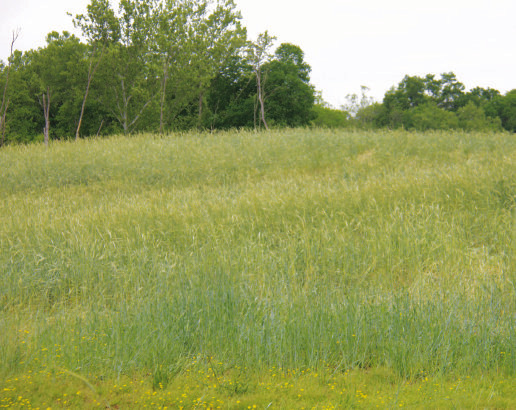
As Virginia works to curb nutrient pollution reaching its rivers and waterways, one of the most effective tools is also one of the simplest: planting cover crops.
Through the Virginia Agricultural Cost-Share Program (VACS), farmers can receive significant financial support – to establish continuous cover on cropland. The practice protects soil, saves on fertilizer costs and strengthens long-term farm productivity.
Cover crops are typically planted in the late fall after cash crops come off the field. As temperatures cool, these crops blanket the soil during the winter months, which have become some of the state’s wettest months in recent years. This protective layer on the soil helps prevent erosion when the ground is most vulnerable.
Losing topsoil is not just an environmental issue; it is an economic one for growers. Once gone, soil can take decades to rebuild, making its preservation essential for sustaining productive cropland.
Additionally, cover crops also take up nutrients left behind from the previous growing season. Nitrogen and phosphorus that might otherwise wash away during winter storms are instead “scavenged” and stored by these interim plants. When the cover crop is harvested or terminated in the spring, those nutrients return to the soil to aid the next crop. For farmers facing increasingly high fertilizer prices, nutrient recycling generates meaningful savings on spring input costs.
Some cover crop options do even more. For example, farmers who plant legumes essentially grow their own fertilizer because these plants naturally fix and store nitrogen. Other choices – such as radishes or multi- species blends supported under VACS – help break up compacted soil, support soil biology or address specific pest pressures. And farmers also can harvest certain cover crops, which reduces their feed costs.
Although farmers have long recognized the value of continuous cover, adopting this approach requires investments in seed, fuel and labor. The VACS program reduces that barrier. Farmers receive flat-rate payments.
The environmental impact of widespread cover crop adoption is significant.By capturing nutrients and stabilizing soil, cover crops help keep pollutants out of waterways, improving local streams and contributing to the health of Virginia’s waterways.
To learn more about participating in the Virginia Agricultural Cost-Share Program, visit: dcr.virginia.gov/costshare.