Bill takes a step toward creating a new catfish market

Last Tuesday, the U.S. House of Representatives passed the MAWS Act, a bipartisan effort to combat the invasive blue catfish population in the Chesapeake Bay and protect the region’s seafood industries.

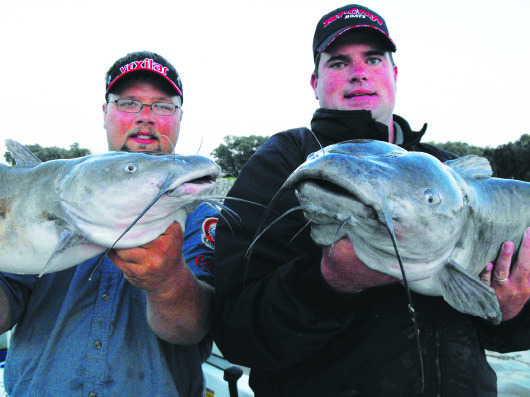
Blue catfish are an invasive species that have proliferated in the Bay watershed. Able to grow up to 100 pounds and eat up to 10% of their body weight daily, they prey heavily on native species including blue crabs, rockfish, and oysters.

“I hear daily from watermen across the spectrum saying how harmful the blue catfish are to the Chesapeake Bay,” said Congressman Rob Wittman, who led the legislation alongside Congresswoman Sarah Elfreth of Maryland.

Speaking on the House floor, Wittman also described the numbers of blue catfish in the Bay as astounding. “It’s a wonder anything in the Bay can survive based upon the volume of blue catfish that are there.”

Addressing the problem, “it’s key to our economics,” he said, referring to the seafood industries in the Bay region.

Blue catfish, which have no natural predators, are now in every tidal area of Chesapeake Bay Watershed and the most abundant biomass in many of them, said Elfreth. “And the threat is real.” They are “causing significant damage to our seafood industries at large, which is a central part of our economies in the Bay region.

According to Elfreth, watermen are struggling to sell enough blue catfish to combat the rapidly growing population, partly because this is the only fish inspected by the USDA creating “significant hurdles” since all other fish are under the jurisdiction of the FDA. Further, state regulators consider human consumption safe for fish up to 25 pounds so watermen struggle to sell fish larger than that.

How Maws Act Helps

The MAWS Act establishes a two-year pilot program to create a new market for blue catfish. NOAA would issue grants or enter cooperative agreements with businesses in the pet food, animal feed, and aquaculture feed industries to purchase blue catfish from watermen and processors.

Watermen are expected to be incentivized to harvest the species knowing there is a reliable market and price for the catch,including those outside the parameters for human consumption, as well as funds to offset transporting the fish to the processors.

This pilot is expected to remove millions of pounds of these voracious predators from the water, protecting native species and the seafood industry.

During the two-year pilot, NOAA would also collect data on the program and produce a report with best practices, lessons learned, and recommendations for Congress.

Elfreth said the final version of the bill arose from over 100 meetings in which she and Wittman sat down with stakeholders, including watermen, processors, researchers, economists, and pet food manufacturers.

Looking Ahead

The MAWS Act passed the House by a vote of 320-66 on March 17.

“With House passage of the MAWS Act, we are one step closer to creating new opportunities in a growing market for blue catfish, which pose a direct ecological and economic threat to the Chesapeake Bay. While we can all do our part and order blue catfish when we see it on a menu, this is not a problem that we alone can eat our way out of,” said Elfreth.

“That’s why we need bipartisan, innovative solutions, like the MAWS Act, that strengthen our local economy and preserve the health of the Bay.”

The MAWS Act now advances to the Senate. Supporters hope the measure will pass and that the successful pilot program can serve as a model for managing invasive species in other U.S. waters, such as the Mississippi River or the Great Lakes.