THE GREAT OUTDOORS WITH STEVE SCALA

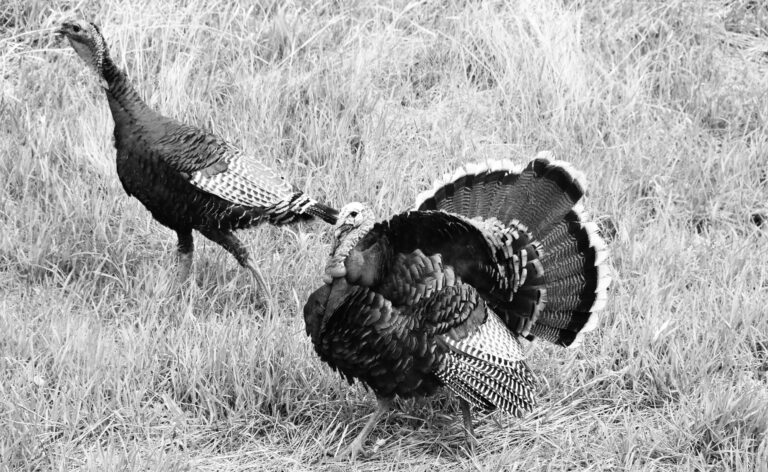
Northumberland County turkey hunters and others in Virginia have a few days left to harvest a bearded turkey (aka a gobbler). The 2026 Virginia Spring Gobbler Season closes after May 16.
The ongoing drought has impacted much of the outdoor environment, including all of our local wildlife. Wild turkeys can travel significant distances by flight, but that physical effort requires nourishment and water.
In severe drought conditions, turkey flocks may take flight to relocate closer to available water sources. When this occurs, the best case scenario is for relocated turkeys to find roosting sites near water and foraging opportunities. Local tributaries with freshet headwaters are potential water resources for wildlife.
Artesian springs that vent water from aquifers to ground level locations attract even more wildlife during times of severe drought. Hunting opportunities near these artesian springs provide major advantages, but such springs are not numerous in the lower Northern Neck.
Turkey Hens on Nest
Many local wild turkey hens have gone to nest and are tending a clutch of eggs, waiting for them to hatch. Some of the earliest hens may already be caring for newly hatched turkey poults. Ironically, the ongoing drought may help the survival rate of recently hatched poults. Cold, wet weather often challenges young turkeys, so the current dry conditions may improve poult survival.
Virginia Striper Time
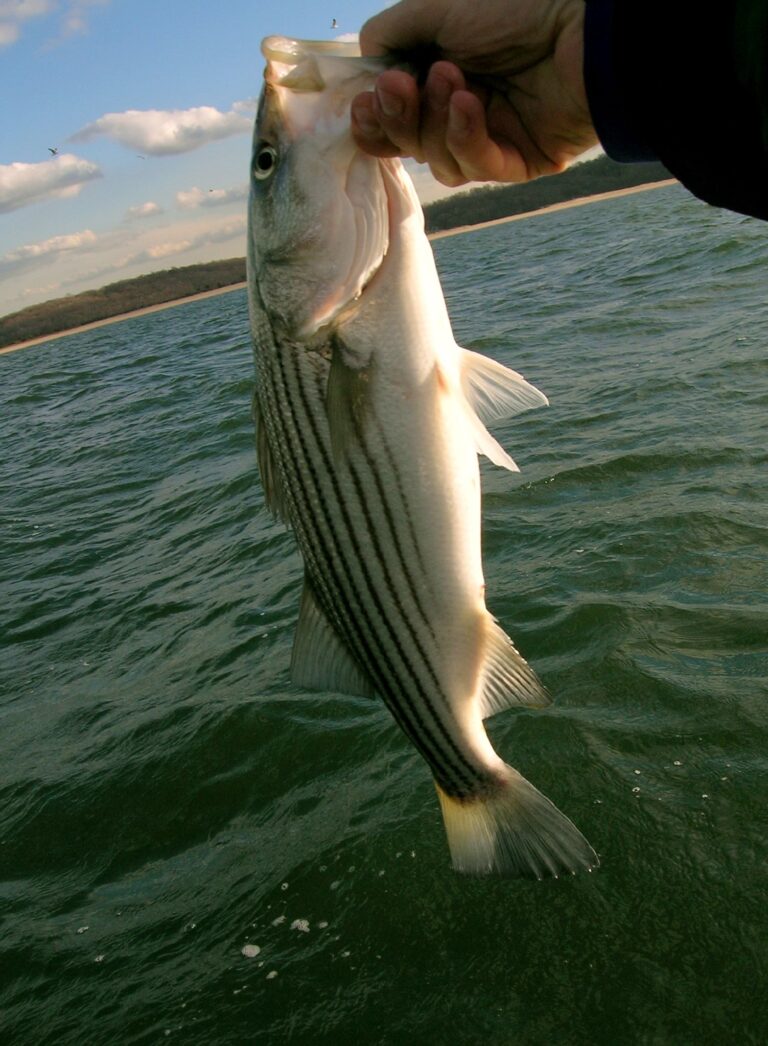
The first 2026 recreational striped bass season in Virginia’s Chesapeake Bay waters begins Saturday, May 16, and continues through June 15. The minimum size for possession is 19 inches, and the maximum size is 24 inches. The possession limit is one striped bass per person per day.
River Rock Opportunities
The first phase of the 2026 Potomac River Fisheries Commission (PRFC) Recreational Striped Bass Season begins May 16 and continues through July 6. The season then closes until August 20. The second phase of the PRFC Spring– Summer Season reopens August 21 and continues through December 31.
The minimum size during the 2026 PRFC season is 19 inches, and the maximum size is 24 inches. The daily possession limit is one fish per person per day. During the PRFC striped bass season, no more than two hooks or sets of hooks per rod or line are permitted. Information about recreational fishing size limits within PRFC waters can be found at https:// prfc.us/pdfs/BLUE-SHEET.pdf.
Movements of Baitfish and Stripers
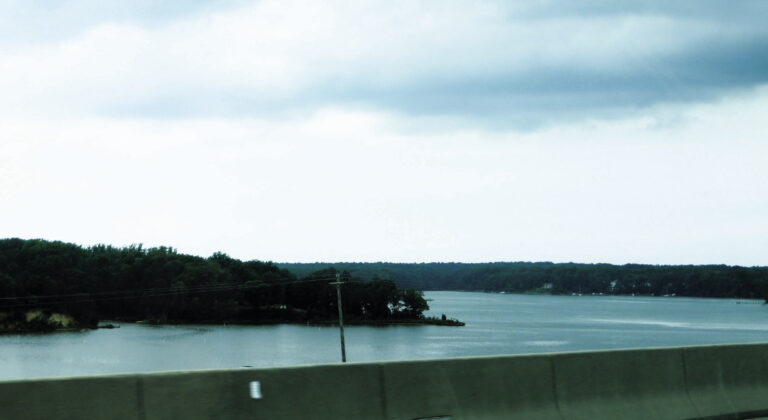
Most of the larger post spawn stripers have left the upper reaches of the tidal Potomac, making them less likely targets for Lower Potomac anglers. As pods of baitfish enter the Lower Potomac from the Chesapeake Bay, they follow traditional travel patterns that are important for striper anglers to understand.
As with much of the seasonal striped bass fishing in the Chesapeake Bay watershed, locating baitfish is often more than half the effort. When menhaden travel along channel edges, stripers may shift their movements to pursue them. This time of year, with slowly increasing water temperatures in the upper water column, schools of striped bass are likely traveling similar routes.
Maryland Striper Season Continues
Maryland’s recreational striped bass season continues with a slot size requirement of 19–24 inches and a possession limit of one fish per person per day.
Trolling Tackle Options
Umbrella rigs with 4 to 6 inch Sassy Shad trailer baits in chartreuse or white are good choices for striped bass trolling. Boats equipped with downriggers can get these baits down to where stripers appear on the fish finder.
Another effective option is tandem rigged parachutes. Setting these up so that in line weights can be easily changed using snap swivels on both the leader line and the main line allows anglers to position lures precisely where stripers are showing on fishing electronics.